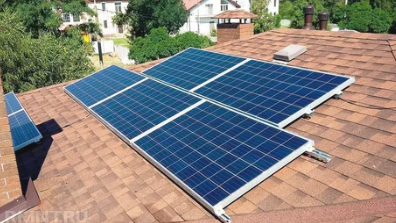
Tailored Panel Layouts for Real Homes
Every residence has a different roof story, and we treat it that way. Our planning process considers roof pitch, chimney placement, skylights, tree shade, orientation, and the visual rhythm of the property before proposing a panel arrangement. This allows us to balance production goals with architectural neatness, safety access, and future servicing practicality. Homeowners receive a clearer understanding of how their available roof space translates into output potential rather than being pushed toward a generic system size. The result is a solar layout that feels integrated with the home and aligned with everyday energy priorities.
Energy Guidance That Starts With Daily Use
A strong residential solar plan should reflect how the household actually lives. We begin with appliance habits, daytime occupancy, heating or cooling patterns, and expected future changes such as electric vehicle charging or battery adoption. By connecting technical recommendations to everyday routines, we help families understand not only what system can fit on the roof but what kind of self-consumption performance may be realistic. This practical approach reduces confusion, improves planning confidence, and supports a smarter investment timeline for homes that want gradual or phased energy upgrades.
Monitoring Clarity and Long-Term Visibility
Solar value continues long after installation, which is why monitoring clarity matters. We prioritize systems that let homeowners view production, track consumption tendencies, and understand seasonal changes without needing engineering-level knowledge. A well-monitored setup makes it easier to notice panel performance shifts, compare expected and actual generation, and prepare for future additions such as storage or smart home integrations. That transparency turns a rooftop installation into an understandable household asset rather than a silent technology hidden from everyday awareness.
Future-Focused Upgrade Flexibility
Homes rarely stand still, and energy systems should not be planned as though they do. We look at how present decisions can support later additions, from battery storage and electric vehicle charging to broader home modernization projects. This gives households a more durable roadmap, helping them avoid short-term configurations that limit future possibilities. A flexible solar concept makes expansion smoother, protects the usefulness of today’s investment, and creates a more confident path toward long-term energy resilience.
Visual Integration With Residential Architecture
For many homeowners, performance matters most when it arrives without disrupting the visual identity of the property. We pay attention to panel rhythm, edge alignment, spacing, and overall roof presentation so the finished result feels intentional rather than improvised. That architectural sensitivity is especially valuable for visible façades, refined exterior renovations, and homes where visual consistency remains part of the property’s appeal. Functional technology should still look composed.
Clearer Decision-Making From Start to Finish
Households often delay solar because the process seems opaque, crowded with technical language, or difficult to compare. Our method organizes information into practical layers: site conditions, expected production, future compatibility, and homeowner priorities. That structure helps clients move from curiosity to understanding without feeling pressured by complexity. Better communication shortens uncertainty, improves confidence, and supports more meaningful planning conversations at every step.